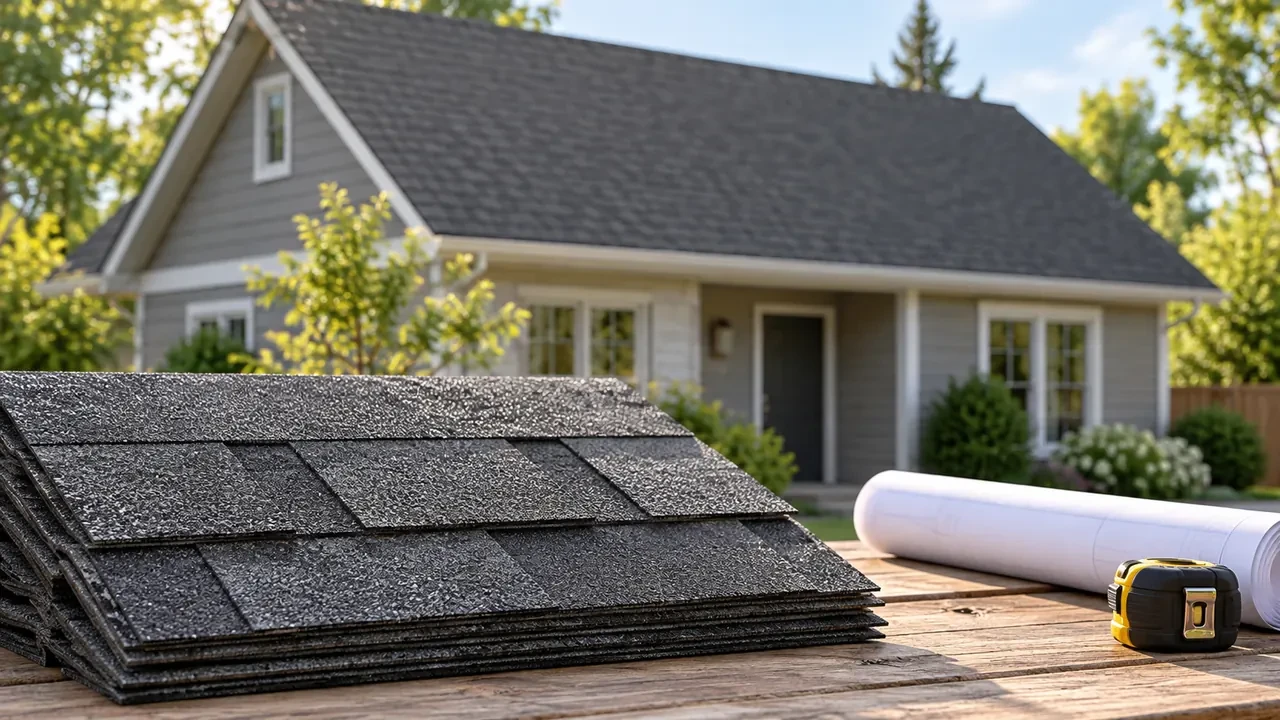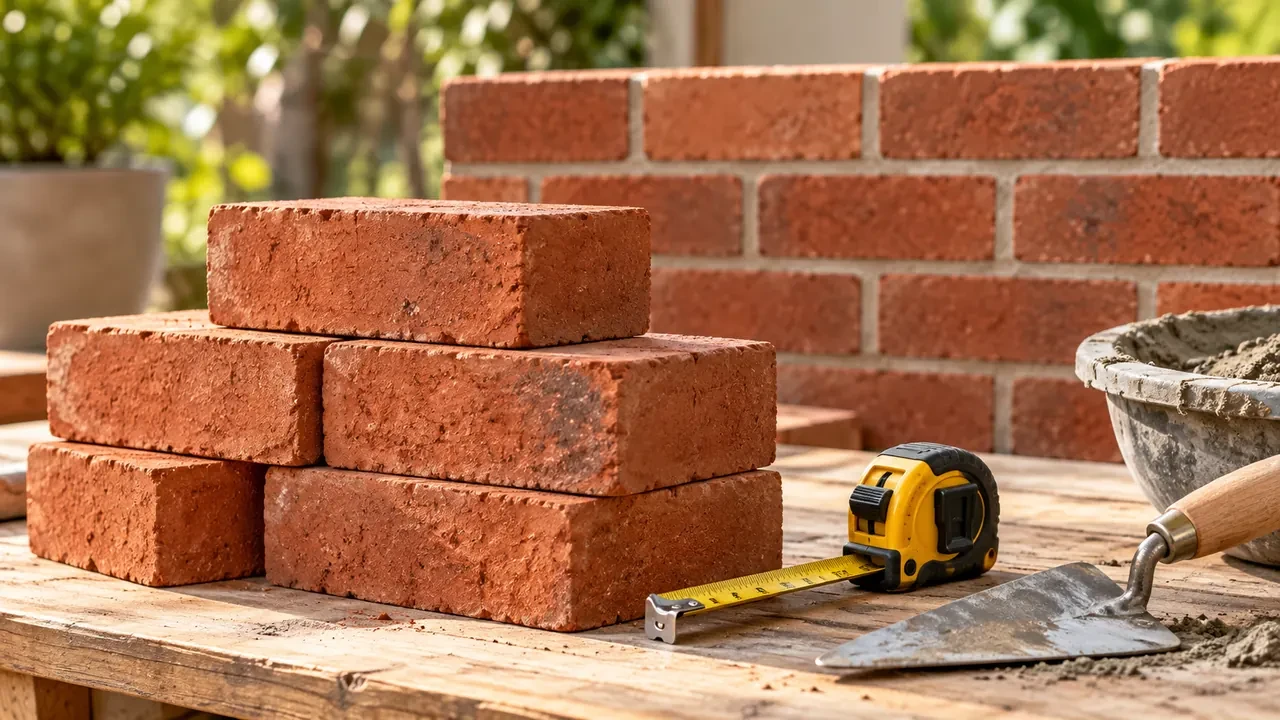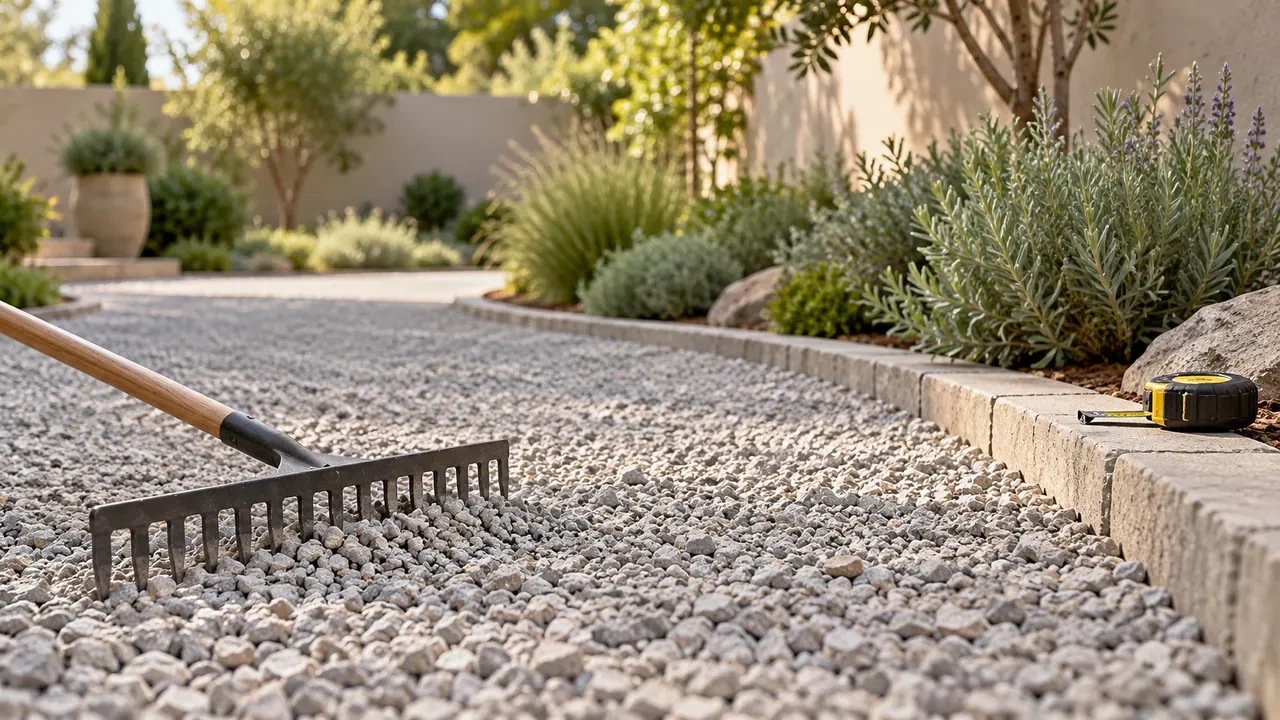
Keep the measurements, materials and small forgotten bits on one page before you shop.
1. Measure the actual space
Measure the space you will work on, not a rough idea of it. Write each number next to a quick sketch and make the unit clear.
Take a second reading where you can. A photo can help you remember an awkward corner, but it is not a substitute for a clear measurement.
2. Use the right kind of quantity
Paint and flooring begin with area. Soil and concrete need volume, so depth matters too. Tiles and boards then turn that area into pieces or boxes.
Keep your unit conversions visible. There are 27 cubic feet in a cubic yard, and 9 square feet in a square yard.
3. Add an allowance for this job
Cuts, pattern matching, breakages and an uneven base can all change the order. Choose the allowance to fit the layout and material rather than adding the same percentage to everything.
Keep the unrounded estimate and the rounded buying quantity. You will be able to see why the order is larger than the neat room area.
4. List the companion materials
Think through the work from preparation to finishing. Paint may need primer and masking materials; tiles need a compatible installation system; flooring has trims and preparation requirements.
Add the tools and protective equipment you need as a separate list, so they do not disappear among the materials.
5. Check the order before paying
Confirm product names, pack coverage, batch details, delivery access and return terms. Compare the plan with the manufacturer’s instructions one last time.
Save your notes and labels after the job. They make touch-ups and small repairs much less of a guessing game.